20/05/2026 0 Comments
The Future of District Heating in Europe: Building Sustainable Infrastructure with Flexible Pipe Solutions
The European district heating market is entering a period of significant transformation. Driven by ambitious climate targets, rising energy demands, and the transition toward renewable energy, district heating systems are becoming an essential part of Europe’s sustainable infrastructure strategy.
Recent market analyses project strong growth across the sector over the coming years, supported by increasing investments in energy efficiency, decarbonization, and smart heating technologies. As cities and industries seek reliable and environmentally responsible heating solutions, the demand for modern district heating networks continues to rise.
The European district heating market is entering a period of significant transformation. Driven by ambitious climate targets, rising energy demands, and the transition toward renewable energy, district heating systems are becoming an essential part of Europe’s sustainable infrastructure strategy.
Recent market analyses project strong growth across the sector over the coming years, supported by increasing investments in energy efficiency, decarbonization, and smart heating technologies. As cities and industries seek reliable and environmentally responsible heating solutions, the demand for modern district heating networks continues to rise.
At RK Infra GmbH, we are proud to support this transition as a supplier of flexible pre-insulated pipe systems for district heating applications. Based in Austria, we work with partners across various industries to deliver infrastructure solutions designed for long-term performance, efficiency, and reliability.
Why District Heating Matters
District heating systems distribute thermal energy from a centralized source to residential, commercial, and industrial buildings through underground insulated pipelines. Compared to individual heating systems, district heating offers several advantages:
- Improved energy efficiency
- Reduced carbon emissions
- Integration of renewable energy sources
- Lower operational costs over time
- Increased energy security for cities and communities
- Modern district heating networks increasingly incorporate renewable technologies such as geothermal energy, biomass, solar thermal energy, and combined heat and power (CHP) systems. These innovations are helping Europe move closer to its sustainability and climate neutrality goals.
The Importance of Reliable Pipe Infrastructure
While energy generation often receives the most attention, pipe infrastructure remains one of the most critical components of every district heating network. Efficient heat transportation directly impacts system performance, operational costs, and energy losses.
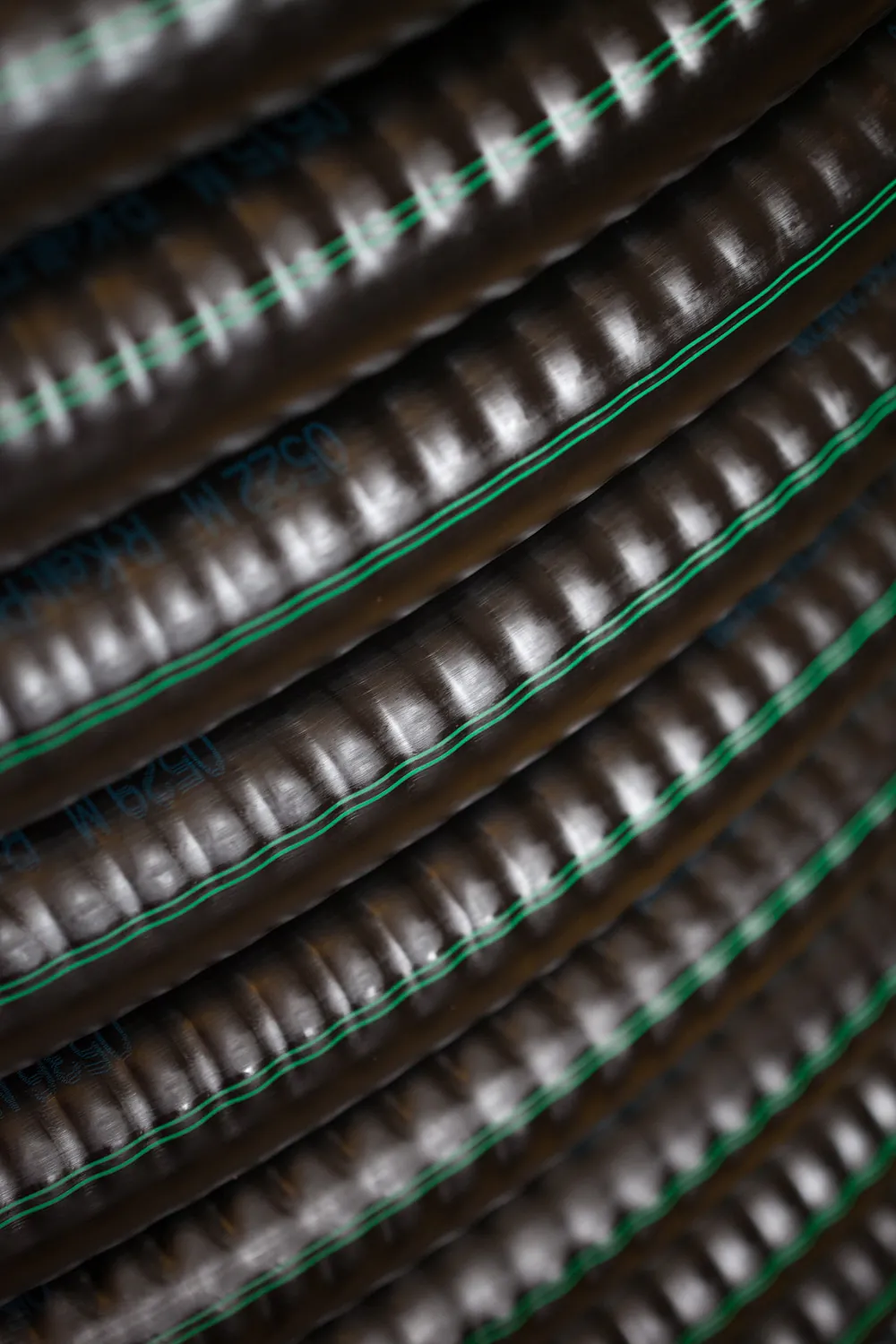
Flexible pre-insulated pipes offer several key advantages for district heating projects:
- Faster Installation
Flexible pipe systems simplify installation processes and reduce construction time, especially in complex urban environments. - Reduced Heat Loss
High-quality insulation helps maintain thermal efficiency and minimize energy loss during heat transportation. - Long-Term Reliability
Durable materials and engineered system designs support long operational lifespans with reduced maintenance requirements. - Adaptability
Flexible systems can be more easily adapted to different project sizes and layouts, making them suitable for both new developments and retrofit projects.
Supporting Europe’s Energy Transition
As the European district heating market continues to evolve, infrastructure quality will play an increasingly important role in ensuring efficient and sustainable energy distribution.
At RK Infra GmbH, we remain committed to supplying flexible pre-insulated piping solutions that support modern district heating systems and contribute to a more sustainable future.
The transition toward cleaner energy is not only about producing renewable power — it is also about delivering that energy efficiently, reliably, and responsibly.

Comments
Leave a comment